Autonomous Building Systems Research Group

Building autonomy, guided by physics.

We combine physics-based models with operational data to study the autonomous operation of building systems.Through measurement, diagnosis, and optimal control, we pursue energy efficiency and intelligent building operation.

Affiliation
Department of Architectural Engineering, Pukyong National University
Ju-Hong Oh, Assistant Professor
Research Areas
Building Energy · HVAC Systems
Digital Twin, Optimal Control
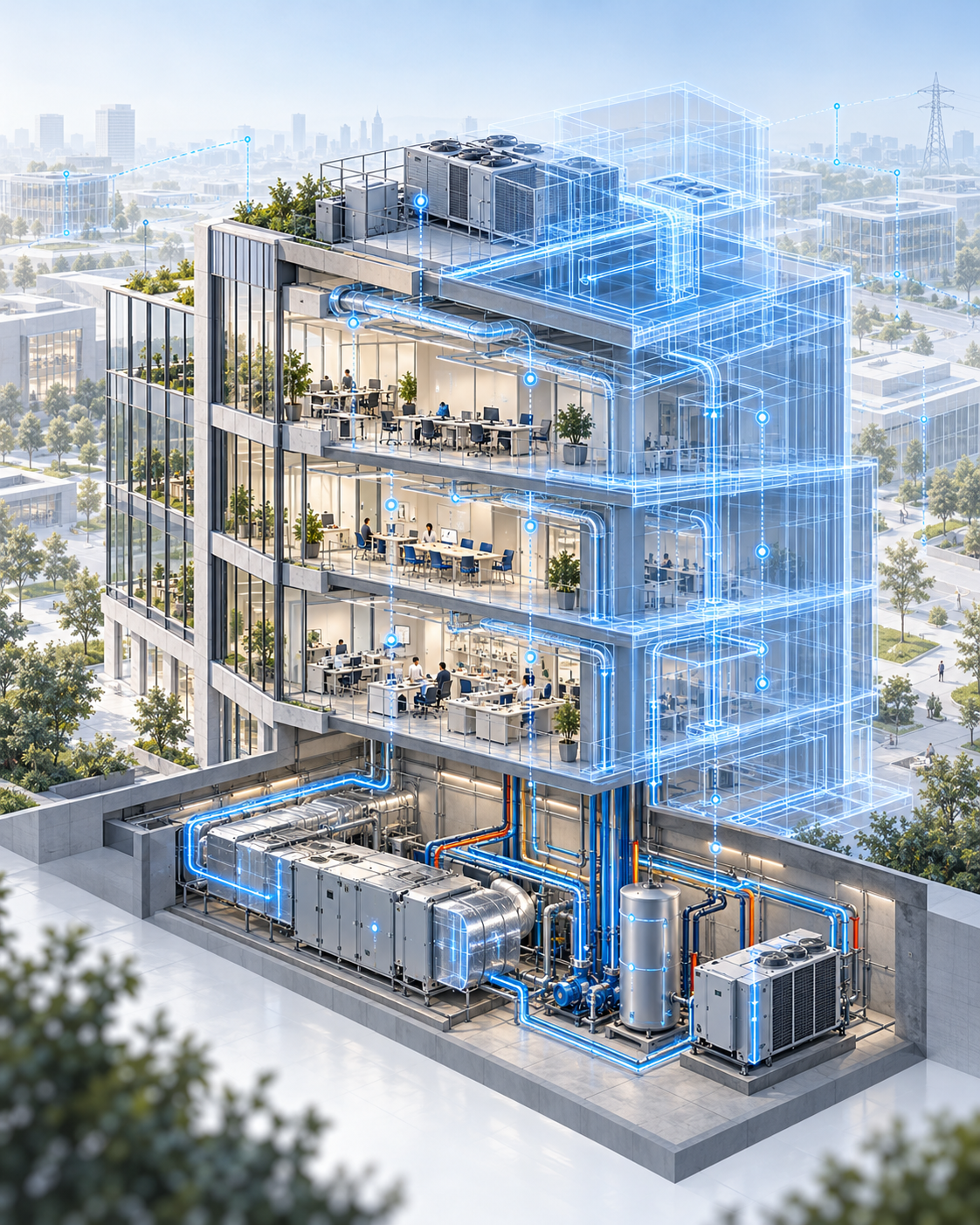
Cross-section of a research facility showing building systems together with their digital twin
Building systemsPhoto coming soon
01 · Research Philosophy
Autonomous
Goal

Building systems that assess operating conditions and control themselves

Building Systems
Object

Heating, cooling, air-conditioning, and energy systems in buildings

Physics-Guided
Principle

Performance prediction grounded in physical relationships, even with limited data

02 · Vision

Intelligent autonomous building control,
built on physics and data

We study sustainable autonomous operation
that accounts for both equipment condition and building demand.

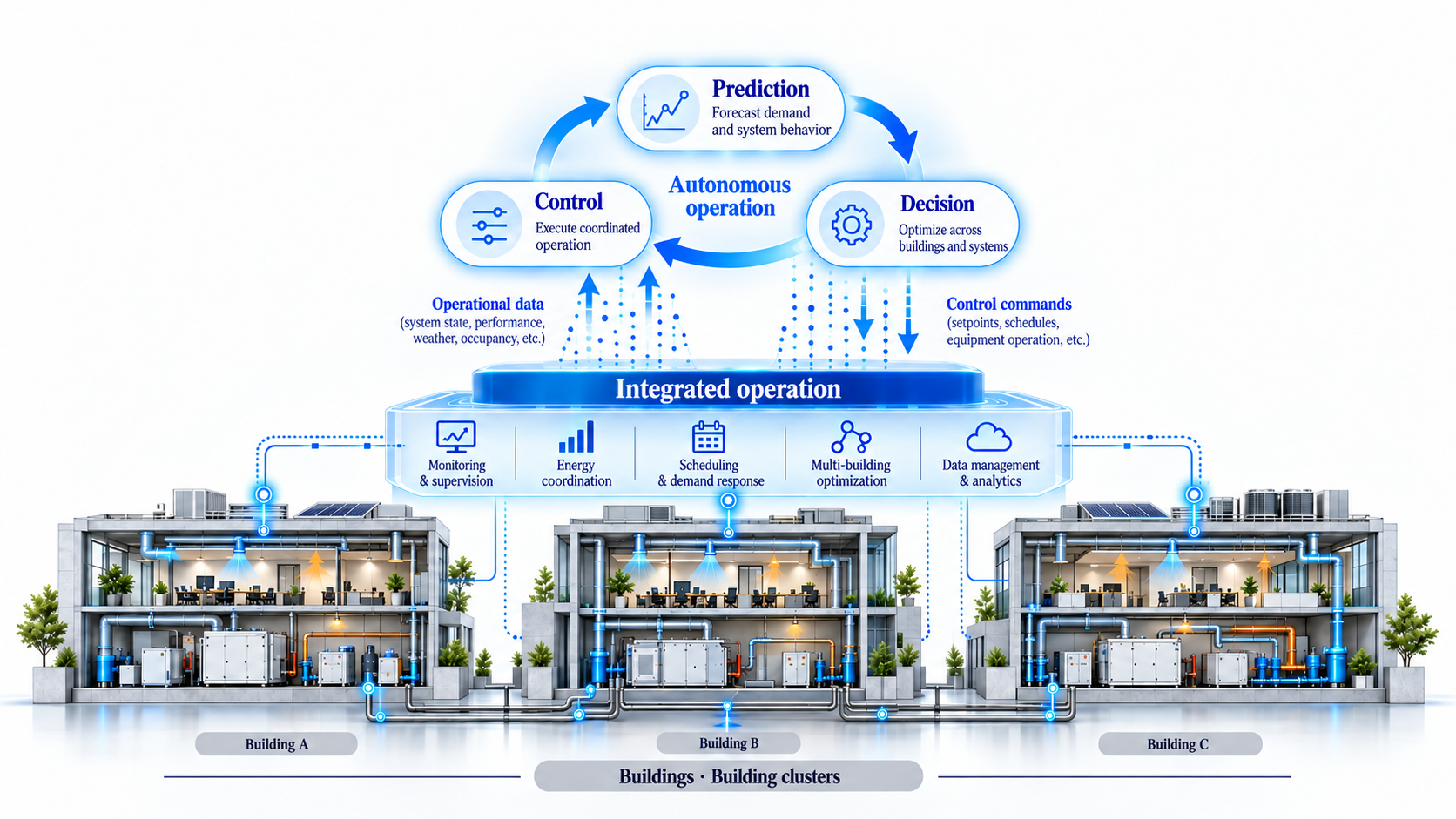
Research vision: predicting, deciding, and controlling in a loop on operational data to operate multiple buildings and systems in an integrated way

VISION 01 · PHYSICS × DATA

Integrating physics and data
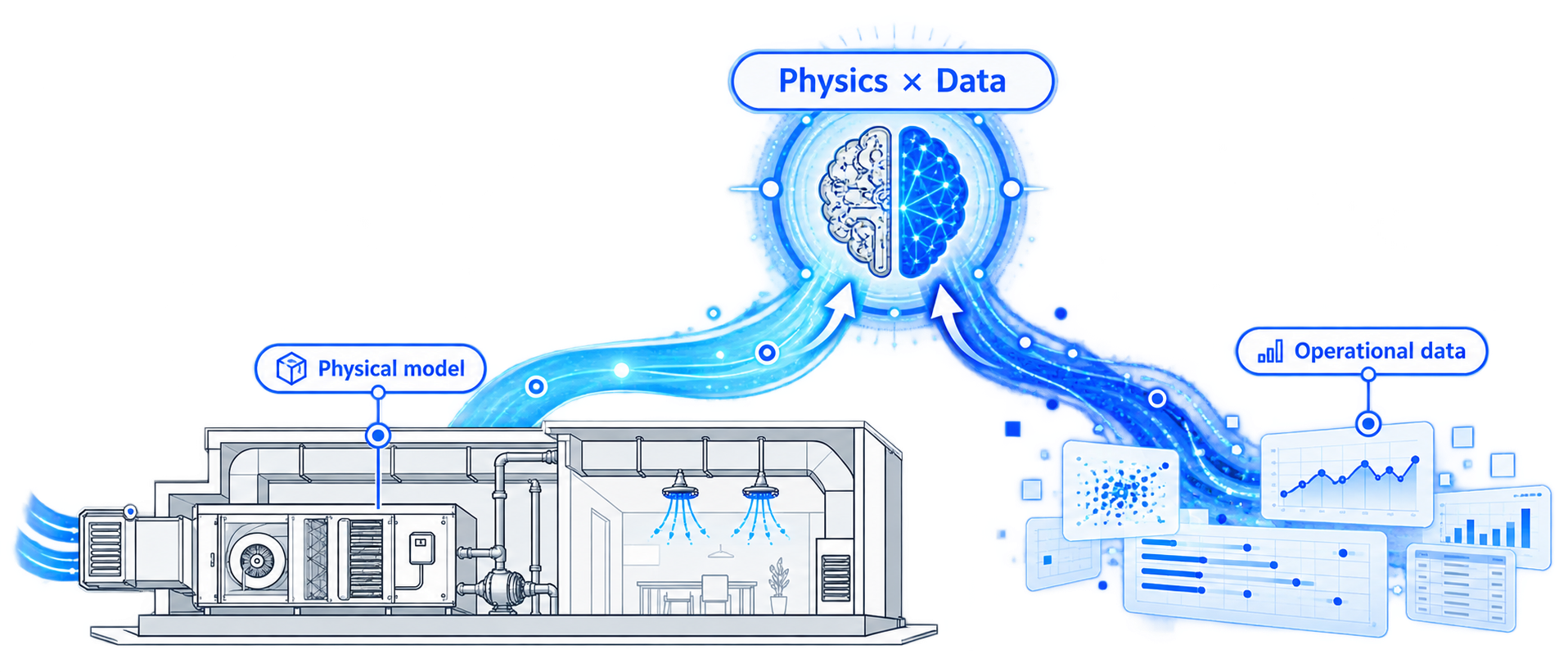
A physics-based model and operational data combine into physics- and data-based learning

Combining physics-based models with operational data extends prediction beyond the observed operating range.

VISION 02 · PHYSICS → EXPLAINABILITY
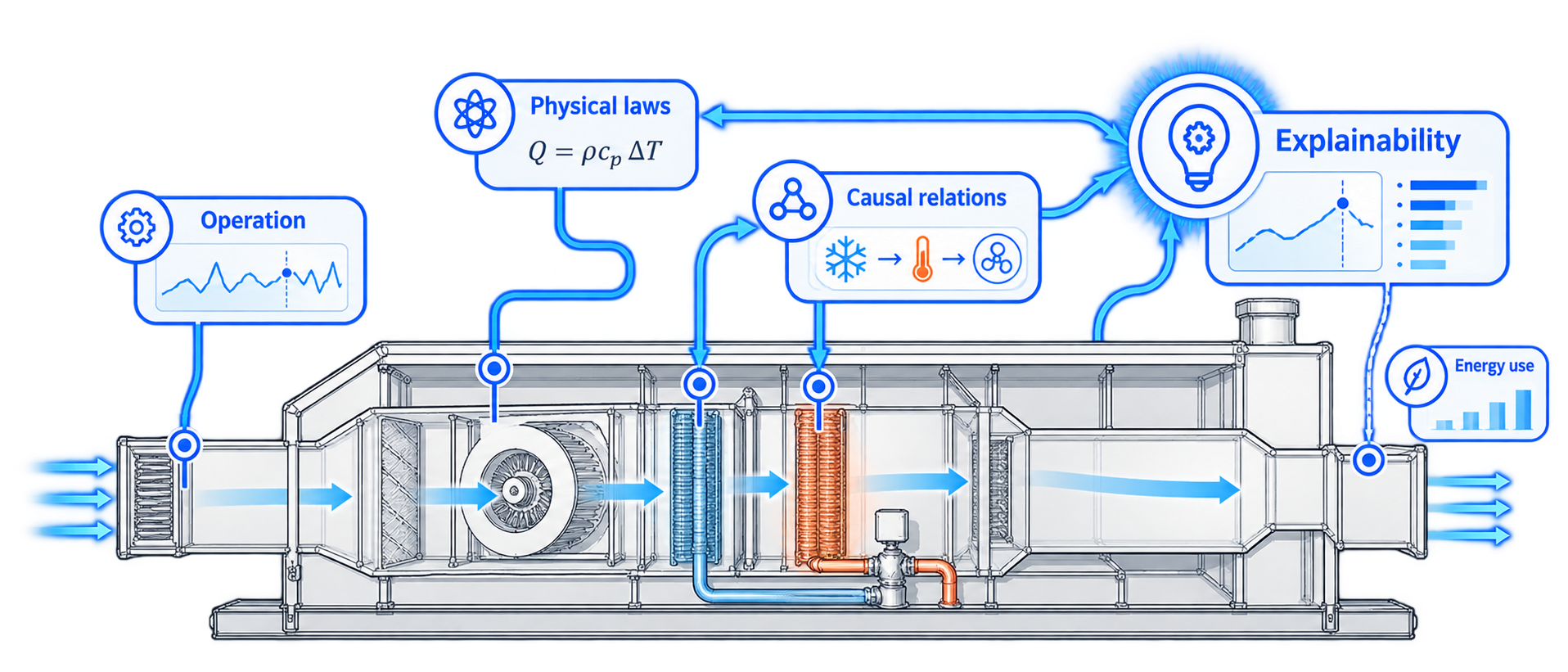
From prediction to understanding

Operating and energy-use characteristics of HVAC systems explained through physical laws and causal relationships

Operating and energy-use characteristics of building systems are interpreted through physical laws and causal relationships.

VISION 03 · INTELLIGENCE → AUTONOMY
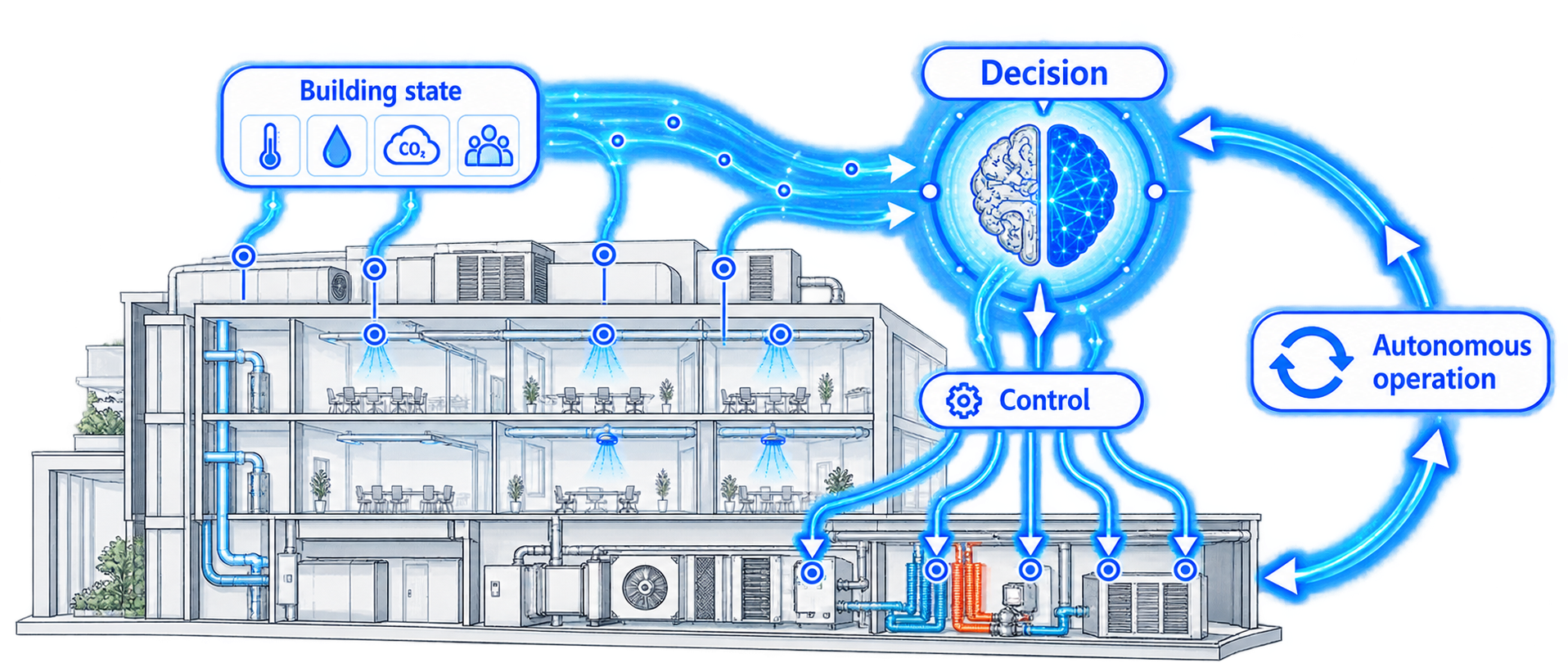
Autonomous control decisions

Autonomous operation loop that assesses the building state, selects an operating strategy, and executes control

Autonomous control assesses the building's state, then determines and executes the optimal operating strategy.
03 · Research
Modeling

Building Physics

  • Model calibration with operational data
  • Performance prediction through parameter optimization
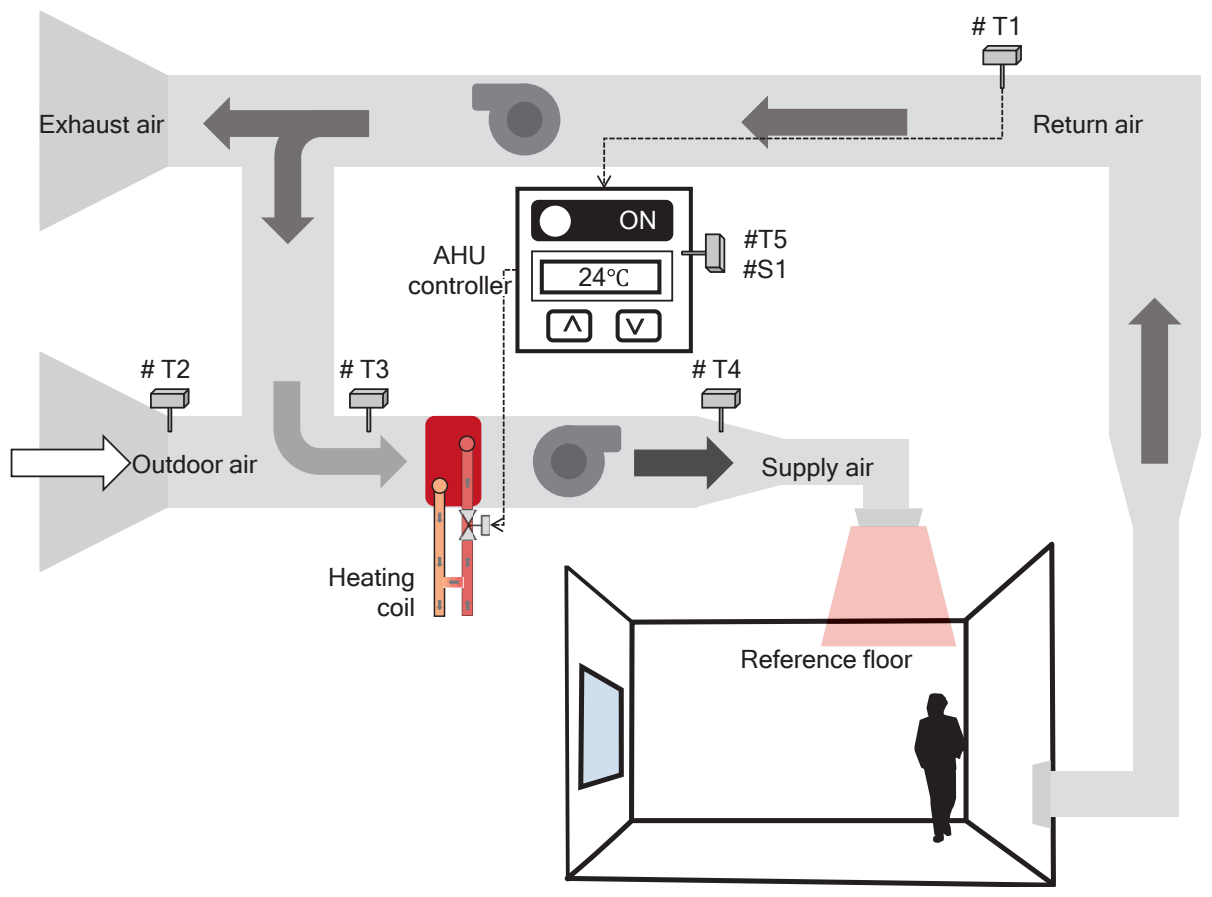
Schematic of the air-handling unit and the target zone
Air-handling unit (AHU) and the target zone
Modeling research
Digital Twin

Multiphysics Digital Twin

  • Coupling physics-based models with operational data
  • Performance prediction with hybrid models
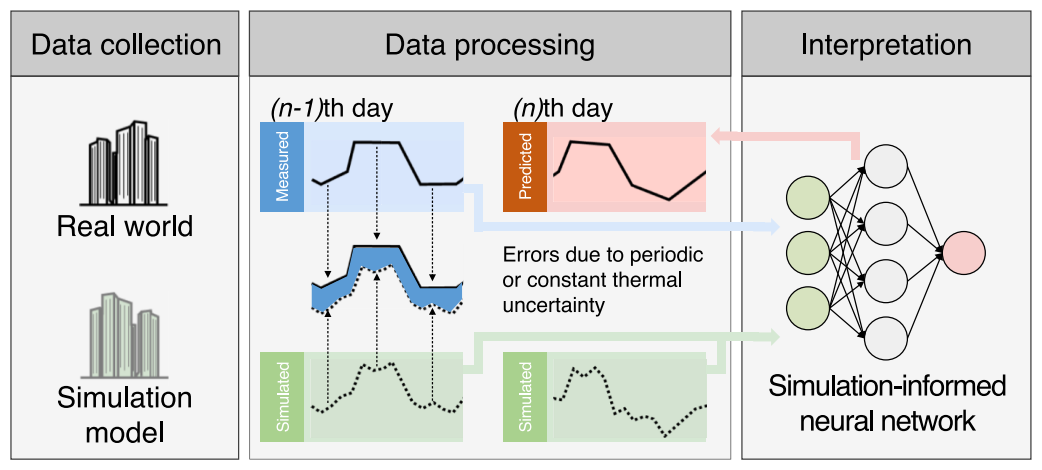
Concept diagram of the simulation-informed neural network
Concept of hybrid modeling (SINN)
Digital twin research
Autonomous Control

Digital Twin-Based Autonomous Control

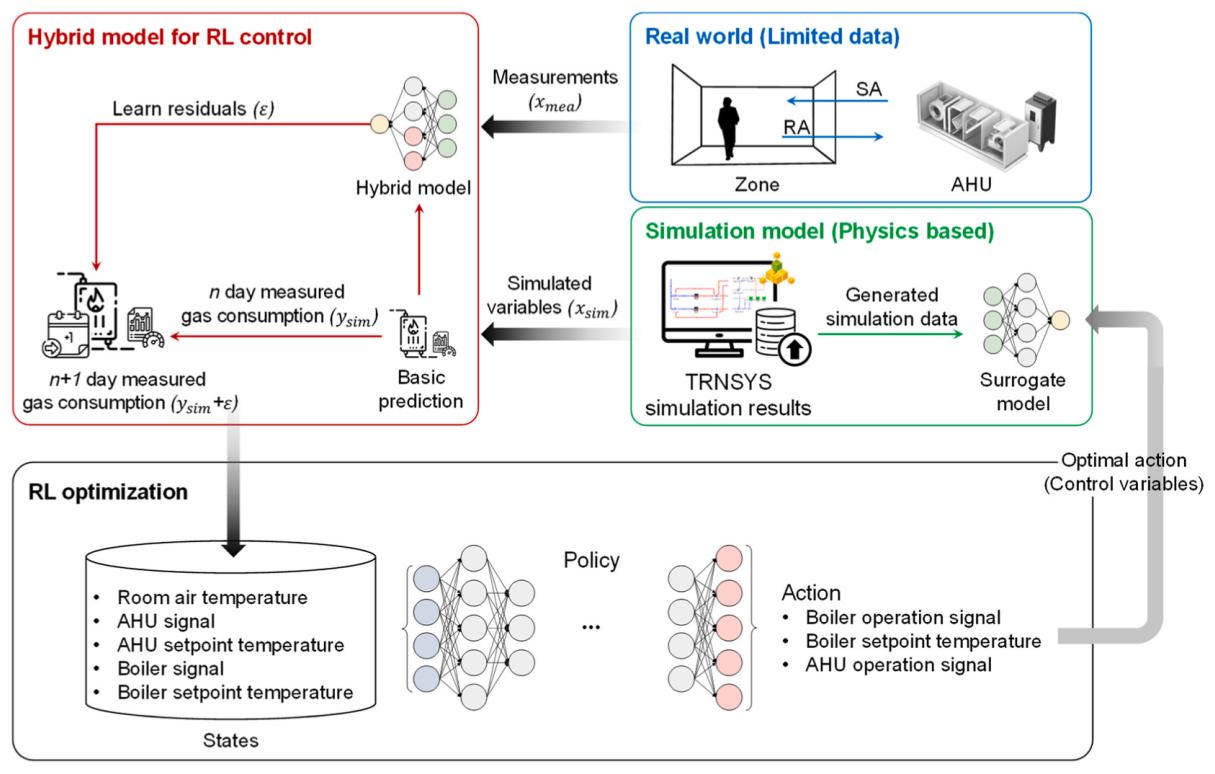
  • Agent training in a digital twin
  • Control performance evaluation and operating-strategy optimization
Architecture of the digital twin and reinforcement learning control
Architecture of digital twin and reinforcement learning control
Autonomous control research

All research|Projects|Publications and patents

04 · Join

We are recruiting graduate students and undergraduate researchers.
juhongoh@pknu.ac.kr

Prospective students|Industry collaboration